Understanding the Landscape of Ciclismo in 2026
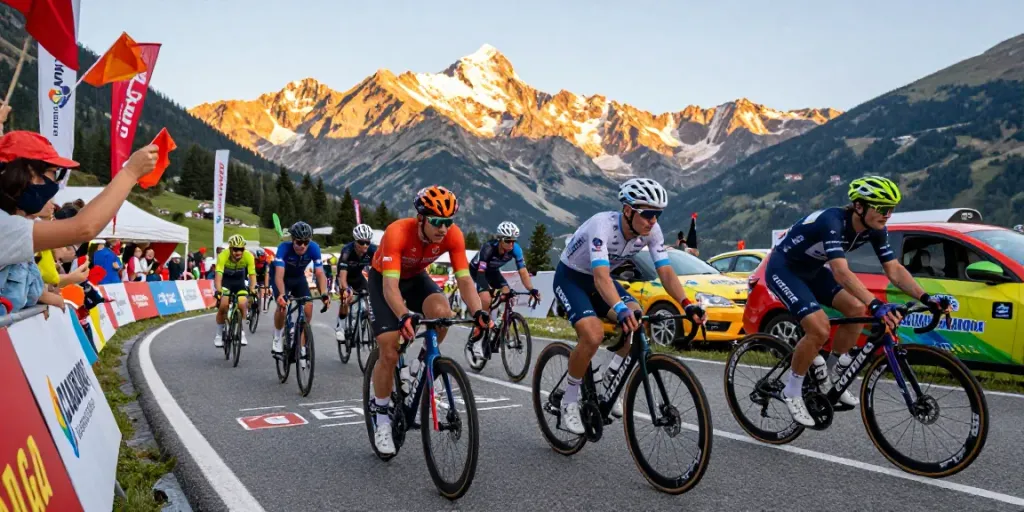
As we move into 2026, the world of ciclismo continues to evolve, shaping not only competitive cycling but also the lifestyle and culture surrounding it. This year's events promise to unveil new talents and innovations while highlighting the relentless dedication of established athletes. With the anticipation building for the Mondiali MTB 2026 in Val di Sole and other key competitions, it is essential to analyze how these dynamics are influencing the sport.
The Evolution of Cycling Trends
The landscape of cycling is not static; it undergoes numerous transformations influenced by societal trends, technological advancements, and competitive formats. In recent years, there has been a significant shift towards inclusivity and accessibility in cycling. The rise of gravel cycling and mountain biking has introduced new enthusiasts to the sport, diversifying the participant demographics and creating a vibrant community.
Key Players and Influencers in the Industry
As cycling progresses, certain athletes and influencers stand out for their impact on both the sport and its perception. Stars like Tadej Pogačar, Mathieu van der Poel, and other elite competitors continue to shape the competitive landscape with their performances. Their training regimens, personal stories, and public engagements resonate with fans, helping to promote the sport globally.
Investment in Ciclismo: Benefits and Returns
Investing in ciclismo, whether through sponsorship, gear, or training facilities, can yield significant returns. Major events such as the Vuelta 2026 highlight why corporations are increasingly interested in this dynamic sport. The visibility and engagement associated with these events can translate into considerable brand loyalty and recognition.
Analyzing Cost vs. Benefit for Athletes
For athletes, the financial investment in quality gear and training can sometimes feel overwhelming. However, a well-considered approach to spending often pays off. High-quality bicycles, nutrition plans, and expert coaching can lead to improved performance, making these expenditures worthwhile in the long run.
Sponsorship Opportunities in Cycling Events
Major cycling events present abundant prospects for sponsorship. Companies looking to reach a dedicated audience can benefit from aligning their brand with popular cycling events. The visibility provided by an association with athletes and races is invaluable, as seen with sponsors of the UAE Team Emirates and their strategic marketing during races.
Long-term Value of Quality Gear and Equipment
Investing in top-tier gear isn't merely about performance; it's also a statement of commitment to the sport. Quality bicycles can enhance an athlete’s efficiency and safety, making them essential for serious competitors. Brands that produce durable, high-performance equipment often establish a loyal customer base as athletes recognize the value of their investment.
Training and Preparation: Best Practices for Athletes
Training methodologies in ciclismo have advanced dramatically, driven by new insights into exercise science and nutrition. Today’s athletes employ a variety of techniques to prepare for competitions. Understanding and implementing effective training strategies can significantly impact an athlete’s performance at key events.
Physical Conditioning and Nutrition Strategies
Physical conditioning remains paramount for cyclists. Athletes often tailor their workout routines to include strength training, endurance building, and flexibility exercises. Alongside physical training, nutrition strategies are crucial. A well-balanced diet rich in carbohydrates, proteins, and fats enables optimal performance, especially during high-intensity phases of training.
Incorporating Technology in Training Regimens
Technology plays a pivotal role in modern training regimens. From smart wearables that track performance metrics to sophisticated cycling apps that analyze training data, cyclists are leveraging technology to enhance their training efficiency. This not only helps them refine their techniques but also aids in recovery and injury prevention.
Mentorship and Community Support for Growth
Building a support system is essential for the development of cyclists. Engaging with mentors and being part of a community can provide invaluable resources and encouragement. Collaborating with seasoned athletes or joining local cycling clubs can offer insights and motivation that are crucial for success in competitive environments.
Competitive Cycling: Challenges and Strategies
While the thrill of racing is exhilarating, cyclists frequently face a multitude of challenges that can impact their performance. Navigating these obstacles effectively is essential for achieving success in the sport.
Navigating Injury and Recovery in Cycling
Injuries can be a cyclist's worst nightmare, often sidelining athletes for extended periods. Understanding the common injuries associated with cycling and employing a proactive approach to prevention can minimize downtime. Physiotherapy, rest, and strategic training adjustments are critical components of a successful recovery process.
Understanding Race Dynamics and Competitor Psychology
The mental aspect of racing is just as important as physical fitness. Understanding race dynamics, such as pacing strategies and competitor psychology, can give athletes an edge during competitions. Successful cyclists often study their competitors and employ tactics that capitalize on their strengths while minimizing weaknesses.
Developing Resilience Through Adversity
The path to success in ciclismo is filled with ups and downs. Overcoming obstacles — be they physical, mental, or situational — can build resilience and fortitude in athletes. Embracing challenges, learning from failures, and maintaining a positive mindset can set the foundation for long-term achievement.
Future of Ciclismo: Trends to Watch After 2026
As the cycling landscape continues to evolve, several trends are poised to shape the future of the sport beyond 2026. Staying informed about these developments will be crucial for athletes, sponsors, and fans alike.
The Rise of Eco-Friendly Cycling Practices
With an increasing focus on sustainability, eco-friendly cycling practices are gaining traction. From biodegradable bike components to sustainable apparel, cycling brands are prioritizing environmental responsibility. This trend not only appeals to environmentally conscious consumers but also aligns the sport with a broader cultural shift towards sustainability.
Global Events and Their Impact on Local Communities
Global cycling events, such as the upcoming championships, have the potential to significantly impact local communities. They bring tourists, create job opportunities, and foster a culture of fitness. Communities that embrace these events often see long-term benefits, including improvements in infrastructure that support cycling as a lifestyle choice.
Predictions for Upcoming Innovations in Cycling Gear
The cycling industry is at the forefront of innovation. Anticipated advancements include lightweight materials for bicycles, smart helmets with built-in communication devices, and more efficient drivetrain systems. These innovations will likely enhance performance and safety for cyclists at all levels.
What Will Ciclismo Look Like in 2030?
By 2030, ciclismo could look dramatically different. As technology continues to advance and societal values shift, the sport may see an expansion in urban cycling initiatives, greater inclusivity for diverse demographics, and even more integration of technology in training and events. Understanding these potential changes will be vital for stakeholders across the cycling community.